vibhuvmittal@rediffmail.com
Phone : +919899547947
When a Camera Can Give You the Answer
You have had acidity for months. Medicines help for a while, but the burning returns. Or perhaps you have unexplained abdominal pain, difficulty swallowing or a digestive problem that your doctor cannot fully explain from symptoms alone.
This is where an endoscopic procedure may become useful.
If you are looking for a GI endoscopic procedure in Kaushambi, it is important to understand that endoscopy is not automatically the next step for every stomach complaint. It is a specialised tool used when looking directly inside the digestive tract can provide useful information or allow treatment.
What Is a GI Endoscopic Procedure?
A GI endoscopic procedure uses a thin, flexible instrument with a camera to examine parts of the digestive system.
Main Specialties
Depending on the clinical need, gastroenterology services may include:
-
Upper GI endoscopy
-
Diagnostic gastroscopy
-
Colonoscopy
-
Therapeutic endoscopy
-
Polyp removal
-
Biopsy during endoscopy
-
Treatment of selected GI bleeding
-
Foreign-body removal
-
ERCP for selected bile and pancreatic duct conditions
-
Endoscopic evaluation of digestive disorders
-
Follow-up procedures when medically indicated
The procedure selected depends on the symptoms and the part of the digestive system that needs examination.
When Might You Need an Endoscopy?
The word “endoscopy” can make people nervous. But the decision should be based on medical need, not fear or assumption.
Common Reasons Include
A doctor may consider endoscopy when you have:
-
Persistent upper abdominal discomfort
-
Difficulty swallowing
-
Pain while swallowing
-
Recurrent vomiting
-
Unexplained gastrointestinal bleeding
-
Black stools
-
Persistent symptoms despite appropriate treatment
-
Unexplained anaemia
-
Suspected ulcers
-
Certain abnormal imaging findings
-
Need for a biopsy
-
Follow-up of a previously identified digestive condition
A colonoscopy may be considered for different symptoms, such as persistent changes in bowel habits, rectal bleeding or appropriate colorectal screening.
Don't Assume Endoscopy Means Something Serious
This is a common misconception.
The Contrarian Truth
Having an endoscopy does not mean your doctor thinks you have cancer.
Endoscopy is a diagnostic tool. Doctors use it to investigate many common conditions, including reflux-related problems, gastritis, ulcers and unexplained symptoms.
It can also allow a doctor to take a small tissue sample, called a biopsy, when needed.
The purpose is to get better information—not to frighten the patient.
What Happens Before the Procedure?
Preparation depends on the type of endoscopy.
Your Doctor Will Explain the Process
For an upper GI endoscopy, you will generally need to follow fasting instructions before the procedure. Your doctor will also ask about medicines, allergies and existing health conditions.
For colonoscopy, bowel preparation is required so the colon can be examined clearly.
Follow the preparation instructions carefully. A poorly prepared procedure may make it harder to obtain useful results.
What Happens During an Upper GI Endoscopy?
During an upper GI endoscopy, the doctor guides the endoscope through the mouth to examine the food pipe, stomach and the first part of the small intestine.
Depending on the procedure and clinical setting, sedation may be used to make the experience more comfortable.
The doctor can look for inflammation, ulcers, bleeding, abnormal growths or other changes and may take a biopsy when appropriate.
Is Endoscopy Painful?
Many patients worry about pain.
What Patients Usually Notice
With appropriate preparation and sedation when indicated, most people tolerate upper GI endoscopy well.
You may experience temporary throat discomfort or bloating afterward. Your doctor will provide instructions about eating, medicines and activity following the procedure.
If you develop severe pain, significant bleeding, breathing difficulty, persistent vomiting or other concerning symptoms after an endoscopic procedure, contact your medical team promptly.
A Real-World Example
Consider a patient who has persistent acidity and difficulty swallowing despite treatment. Rather than continuing the same medication indefinitely, the gastroenterologist may recommend an upper GI endoscopy.
The procedure can help identify whether there is inflammation, narrowing, an ulcer or another structural problem. If a biopsy is needed, it can often be taken during the same procedure.
The value is not simply “doing a test.” It is getting information that can change the treatment plan.
Why Endoscopy Can Be Useful
Symptoms alone do not always tell the complete story.
A patient may have persistent heartburn, but the cause could involve reflux, inflammation or another condition. Similarly, bleeding may require direct examination to locate the source.
Endoscopy gives the specialist an opportunity to see the digestive tract directly rather than relying only on symptoms or assumptions.
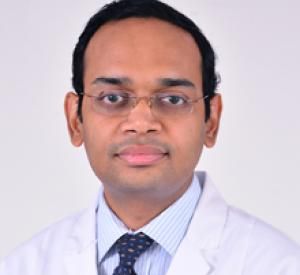
Meet Dr. Vibhu Vibhas Mittal
Dr. Vibhu Vibhas Mittal is a gastroenterology specialist who evaluates and manages digestive conditions that may require endoscopic assessment. His approach involves reviewing symptoms, medical history and previous reports before deciding whether an endoscopic procedure is appropriate and explaining the purpose and expected process to the patient.
When Is Colonoscopy Considered?
Colonoscopy examines the large intestine and can help investigate certain bowel symptoms.
It May Be Recommended For
Depending on your age, symptoms and medical history, colonoscopy may be considered for:
-
Rectal bleeding
-
Persistent changes in bowel habits
-
Unexplained anaemia
-
Chronic diarrhoea
-
Certain abnormal imaging findings
-
Evaluation of suspected inflammatory bowel disease
-
Colorectal cancer screening when appropriate
-
Removal or assessment of polyps
Screening recommendations depend on individual risk and age, so discuss the appropriate timing with your doctor.
What About ERCP?
ERCP is a specialised endoscopic procedure used mainly to treat selected problems involving the bile ducts and pancreatic ducts.
It Is Not a Routine “Check-Up”
ERCP may be used to remove certain bile duct stones or relieve specific blockages.
Because it carries potential risks, doctors generally use it when the expected benefit justifies the procedure rather than simply using it as a routine diagnostic test.
Frequently Asked Questions
1. When is a GI endoscopy needed?
It may be recommended for persistent upper digestive symptoms, swallowing difficulty, bleeding, unexplained anaemia, suspected ulcers, abnormal findings or when a biopsy is required.
2. Is endoscopy safe?
Endoscopy is generally considered a commonly performed medical procedure, but like any procedure, it has potential risks. Your doctor should explain the benefits, risks and alternatives based on your individual situation.
3. Can I eat normally before an endoscopy?
Usually, patients need to fast before an upper GI endoscopy, but exact instructions vary. Follow the preparation instructions provided by your medical team rather than relying on general advice.
Don't Fear the Procedure—Understand Why It Is Being Recommended
The biggest question is not “Will I need an endoscopy?”
It is “Why does my doctor think I need one?”
When there is a clear clinical reason, an endoscopic procedure can provide information that symptoms alone cannot. It can also allow certain treatments or biopsies to be performed during the same procedure.
If you are looking for a GI endoscopic procedure in Kaushambi, consult Dr. Vibhu Vibhas Mittal to understand whether endoscopy is appropriate for your symptoms.
Book a gastroenterology consultation today and discuss the safest and most useful next step for your digestive health.
- GI Endoscopic Procedure in indirapuram
- GI Endoscopic Procedure in vaishali
- GI Endoscopic Procedure in sahibabad
- GI Endoscopic Procedure in kaushambi
Tag
GI Endoscopic Procedure in vasundhara GI Endoscopic Procedure in mohan nagar GI Endoscopic Procedure in niti khand GI Endoscopic Procedure in shakti khandEnquiry
Get in touch

Dr. Vibhu Vibhas Mittal.All Rights Reserved © 2026